
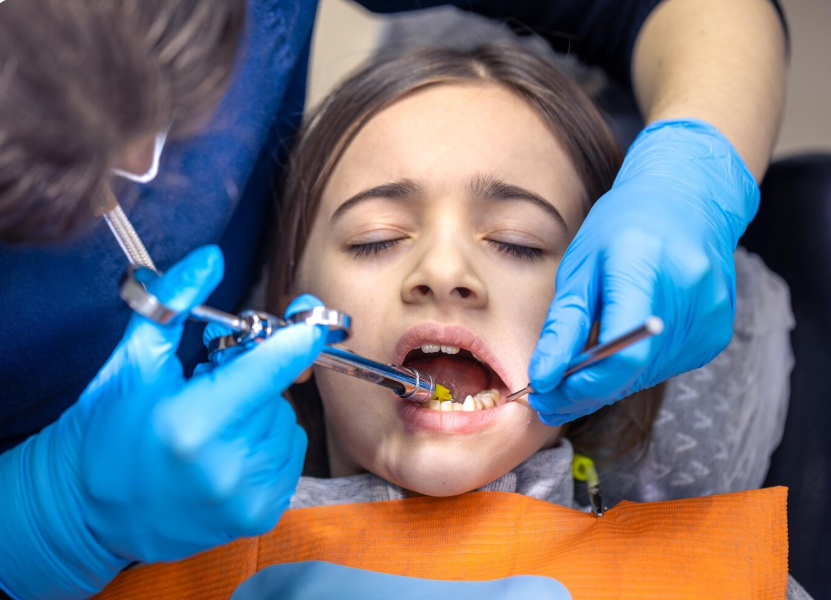
Maintaining the health of a child’s teeth is more than simply correcting cavities when they pop up. The purpose of preventive dental treatment is to safeguard teeth early, foster good habits, and reduce the factors that contribute to tooth decay. In child dentistry, two common preventive methods are dental sealants and fluoride.
For parents who want to get preventive dental care via Ironwood Dentristry, understanding how these treatments work may help make going to the dentist simpler. Sealants and fluoride operate differently, yet both are designed to strengthen a child’s teeth against cavities. Used along with regular brushing, flossing, a good diet, and visits to the dentist, they may be useful aspects of a child’s oral care routine.
Why Preventive Dental Care Matters for Children
Children are at a higher risk of cavities than adults since they are learning how to brush and floss properly. Sugars and carbohydrates might possibly be depositing themselves on their teeth over the day, given their style of eating.
Your baby teeth will eventually fall out, but you should still take excellent care of them. They help youngsters speak correctly chew their food and create place for their adult teeth. If a baby tooth develops a cavity or infection, it may be painful and need additional dental care.
Protection is still highly vital as soon as the permanent teeth start to show. If youngsters take care of their teeth from an early age, they will have better dental health as they grow older.
What Are Dental Sealants?
Dental sealants are thin coatings that are placed on the chewing surfaces of particular teeth, mainly the rear molars, to protect them. Grooves and pits on the rear teeth help you chew. Unfortunately, these tiny gaps may also harbor germs and food particles.
The grooves might be tough for youngsters brushing their teeth daily to clean them thoroughly. A sealant is a smooth barrier applied to the surface of the tooth to prevent food and germs from reaching weak regions.
Most of the time, it's a straightforward operation to put on a sealant. The tooth is cleansed and prepared before the sealant is applied to the chewing surface of the tooth. Following that, the material is hardened so that it may be used as a covering.
Sealants should not replace cleaning or brushing. Instead, they safeguard your teeth in additional ways in areas that may be more difficult for a toothbrush to reach.
Understanding Fluoride and Its Role
Dental coatings and fluoride are different. Fluoride doesn't fill up the fractures in your teeth; it strengthens your tooth enamel instead.
Every day minerals are lost and re-deposited in tooth enamel. Bacteria may produce acids that erode away the minerals in enamel. Over time this will damage the enamel and the risk of cavities goes up. Fluoride aids in remineralizing enamel and making it more resistant to acid damage.
Children may obtain fluoride from a number of sources including toothpaste and, in certain communities, fluoridated drinking water. Depending on the age, oral health, risk for cavities and requirements of children, dentists may also recommend professional fluoride treatments.
When you have expert fluoride treatment, fluoride is often applied immediately on your teeth. It doesn’t take long and may be done during a routine dental appointment.
Sealants and Fluoride Work in Different Ways
Many families believe they have to pick between fluoride and sealants, but these are not the same technique to keep teeth healthy.
Sealants are mainly used to protect the chewing surfaces of your teeth. Fluoride strengthens the enamel of your teeth and makes them less prone to cavities.
If you take your kid to a children’s dentist they will be able to inspect their teeth and offer you information on how to keep them healthy. Various kids acquire their teeth at various times, and kids consume different foods, take care of their teeth differently, and have varied chances of getting cavities, thus recommendations will be different for each child.
Building Healthy Habits at Home
Professional protective treatments are most effective when you also regularly take care of your teeth at home. Kids need to understand that caring for their teeth is something they do every day and not just when they see the doctor.
Parents may assist their children in washing their teeth until the children can do it by themselves. Getting rid of plaque in the spots where cavities often originate may be achieved by brushing your child’s teeth properly with the appropriate quantity of fluoride toothpaste for their age and beginning to floss when their baby teeth touch.
Diet is crucial as well. When you spend too much time with sugary beverages, candies, and snacks full of processed ingredients, cavities are more likely to form. Drinking water regularly and eating nutritious snacks can benefit your teeth and your health in general.
Regular Dental Visits Support Prevention
When dental experts meet a youngster periodically for checkups, they can observe how the child's mouth is developing. During these appointments, the dentist may clean your teeth. The dentist may also inspect your gums and teeth, looking for any areas that could be a concern.
A dentist may also check on sealants that are currently in place to make sure they remain in place and determine if extra preventive treatment is required. Sometimes reasonably easy treatment may be given to a tooth condition if changes are seen early on before they grow worse.
The child’s dentist appointments are also a good way for them to become acclimated to the dentist's office. If you have excellent experiences with dental care while you’re young, it might seem like a regular part of growing up.
Creating a Strong Foundation for Healthy Smiles
Tooth sealants and fluoride are essential pieces of a bigger regimen to avoid tooth issues in children. Sealants protect chewing surfaces that are more susceptible to developing cavities, and fluoride helps make the enamel thicker and more resistant to cavities.
Neither procedure eliminates the need to brush, floss, consume nutritious foods, or undergo regular dental checkups. Rather, they help to preserve teeth to an even greater extent at crucial periods of growth with these behaviors.
Parents may assist their kids in protecting both their baby and permanent teeth by bringing them in for regular preventive treatment at the dentist and teaching them excellent practices to perform at home. It may assist children in maintaining their smiles in good health as they become older if you start youngsters on that practice early on.