
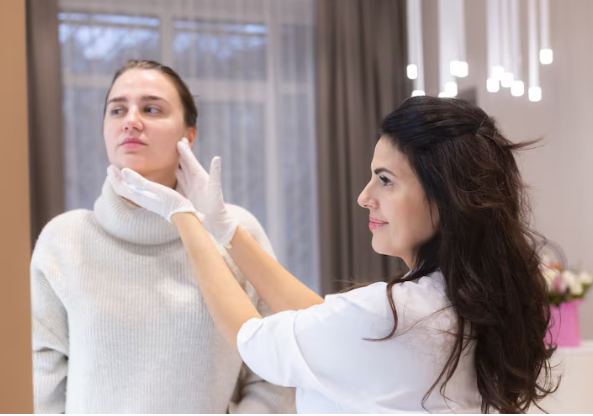
Facial aging rarely begins with one dramatic change. Instead, it tends to develop gradually through small differences in skin firmness, facial contours, and overall definition. A jawline that once appeared sharp may become softer, the cheeks may begin to look slightly lower, or fine lines may become more noticeable around areas that move frequently.
For people experiencing relatively early changes, extensive facial surgery may feel unnecessary. This has contributed to growing interest in procedures designed to address specific areas while preserving the natural character of the face. Mini facelift procedures are one example of this more targeted approach to facial rejuvenation.
Recognizing the Early Changes in Facial Appearance
The aging process varies considerably between individuals. Genetics, sun exposure, lifestyle habits, changes in body weight, and natural reductions in collagen and elastin can all influence when visible signs begin to develop.
One of the first changes people may notice is reduced definition around the lower face. The transition between the cheeks and jawline can become less distinct as tissues gradually shift. Mild jowling may appear near the corners of the jaw, while skin around the lower cheeks can begin to look looser.
These changes do not necessarily mean that the entire face has aged significantly. In many cases, the upper face and overall skin quality may still appear relatively youthful while the lower facial contours begin showing noticeable changes.
Why Facial Aging Goes Beyond the Skin
Facial aging is more complex than the development of wrinkles. Changes occur in multiple layers, including the skin, fat compartments, connective tissues, and underlying facial structures. This is one reason skin care alone cannot always address changes in facial position or contour.
Creams and other topical products can support hydration and improve aspects of skin quality, but they cannot physically reposition tissues that have descended. Likewise, some non-surgical treatments may improve texture, volume, or mild laxity without producing the same type of structural change associated with surgery.
Understanding this distinction helps explain why different stages of aging may require different approaches.
The Growing Interest in Mini Facelift Procedures
Traditional facelift surgery can address more extensive aging, particularly when significant tissue descent and skin laxity are present. However, someone with mild to moderate lower facial changes may not require such a comprehensive procedure.
A minimally invasive mini facelift generally focuses on selected areas of the lower face, particularly concerns involving early jowling and reduced jawline definition. The exact surgical technique can vary according to anatomy, goals, and the surgeon's approach.
The appeal of a mini facelift often comes from its targeted nature. Rather than attempting to dramatically alter facial appearance, the objective is typically to improve areas where early aging has started changing natural contours.
Timing Can Influence the Treatment Approach
There is no universal age at which someone should consider facial rejuvenation. Two people of the same age can have very different facial structures and degrees of skin laxity.
For this reason, candidacy is usually better evaluated according to visible changes rather than a specific birthday. Someone experiencing early lower face laxity may have different options from a person dealing with substantial jowling, deep folds, and significant neck laxity.
Early intervention does not automatically mean surgery is necessary either. Depending on the concern, treatments involving injectables, skin resurfacing, or energy-based technologies may be considered. The appropriate choice depends on what is actually causing the visible change.
Preserving Natural Facial Character
Modern facial rejuvenation increasingly emphasizes balance rather than simply creating tighter skin. An effective result should respect facial proportions, expressions, and features that make an individual recognizable.
This is particularly relevant for people considering treatment at an earlier stage of aging. The goal may be to restore cleaner contours rather than create an obviously transformed appearance.
Careful assessment is therefore essential. Facial structure, skin elasticity, tissue position, medical history, expectations, and future aging all need consideration before selecting a procedure.
A More Personalized Approach to Facial Aging
Mini facelift procedures reflect a broader movement toward individualized facial rejuvenation. Patients today have options ranging from non-surgical treatments to targeted surgery and comprehensive facelift procedures.
Recognizing early signs such as mild jowling, softer jawline contours, and lower facial laxity can help people better understand their available choices. Rather than selecting a procedure based purely on age or trends, the most appropriate approach should be determined by individual anatomy and realistic goals.
As facial rejuvenation techniques continue to evolve, mini facelift procedures provide another option for addressing targeted signs of aging while maintaining the natural proportions and character of the face.